

 Member
Navin B
Member
by Navin B
Know the 3 Different Kinds of Acoustic Plaster
October 7, 2024 in Acoustic Ceilings, Acoustic Design, Acoustics, Open Ceiling Design, Open Ceiling Design Products
Introduction to Acoustic Plaster
Acoustic spray plaster is a specialized coating designed to enhance sound absorption in various environments. Its primary purpose is to reduce noise levels and improve the overall acoustic quality of a space. Whether in offices, schools, or commercial spaces, managing acoustics is crucial for creating a comfortable and productive environment. Acoustic spray plaster achieves this by absorbing sound waves, thereby minimizing echoes and reverberations.
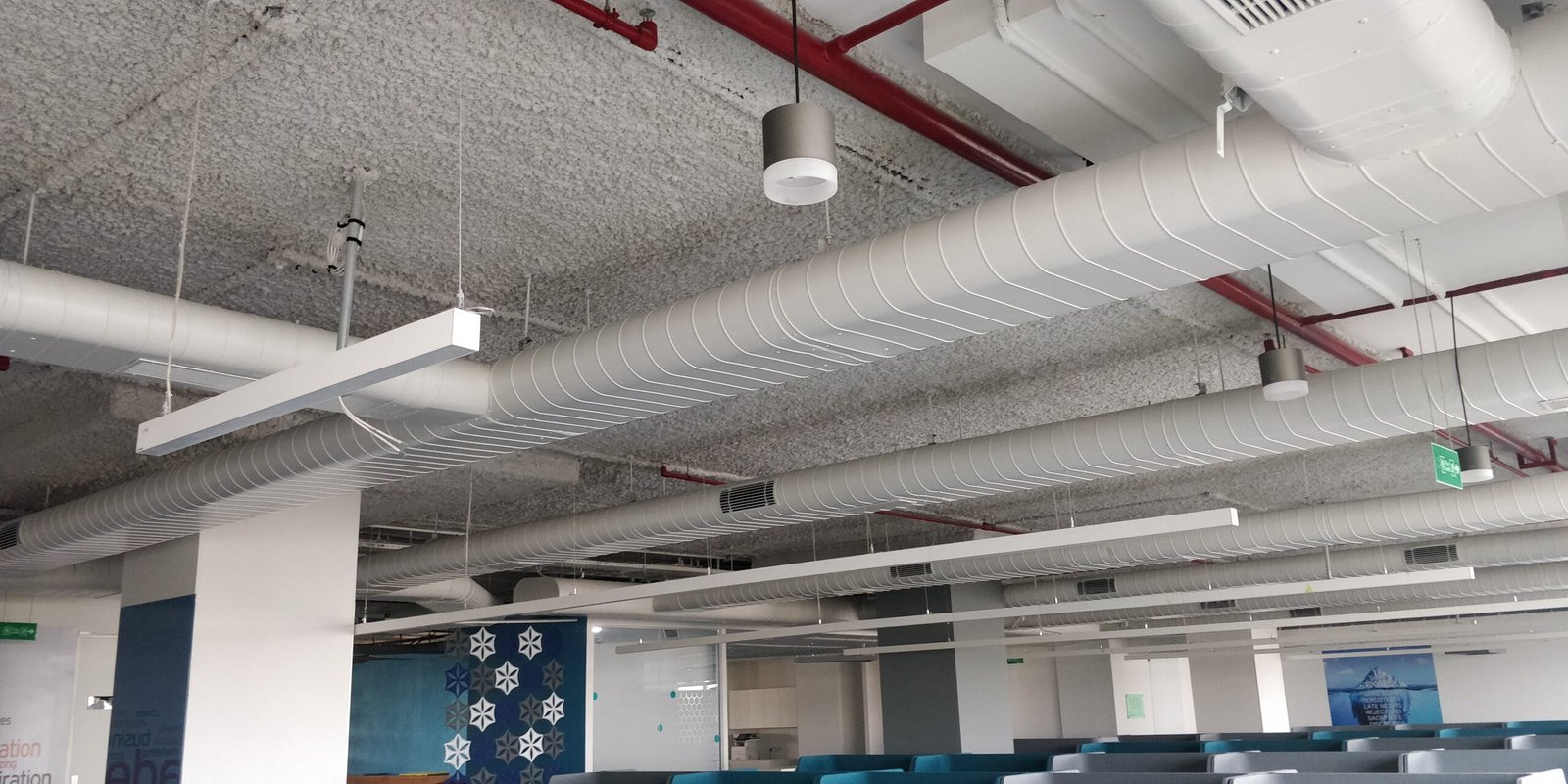
Composed of materials such as cellulose, cementitious compounds, or a blend of both, acoustic spray plaster is applied to both ceilings and walls. These materials work together to absorb sound energy, effectively reducing noise pollution in interior spaces. One of the significant advantages of acoustic spray ceilings is their seamless and smooth finish, which can be customized with various textures and colors, including the popular popcorn finish or other texture finishes.
The application process is relatively straightforward and can be installed on a variety of surfaces, including concrete, gypsum, wood and metal surfaces.The plaster is sprayed onto the surface in multiple layers, allowing for precise control over the thickness and, consequently, the level of sound absorption. This versatility makes spray on acoustic solutions an attractive option for a wide range of settings.
Moreover, acoustic spray plaster offers several benefits over traditional acoustic solutions such as acoustic panels or tiles. It provides a continuous surface that eliminates gaps and seams, which can compromise sound absorption. Additionally, it can be applied to complex architectural features and curved surfaces, offering greater design flexibility.
The benefits of acoustic spray plaster extends beyond sound absorption. It also contributes to thermal insulation and fire resistance, enhancing the safety and energy efficiency of a building. As we delve deeper into the different kinds of acoustic spray plaster, it becomes evident that this innovative solution is not only functional but also adaptable to various aesthetic and performance requirements and is here to stay.
Types of Acoustic Spray Plaster and Their Applications
Acoustic spray plaster serves as a versatile solution for enhancing sound quality in various environments. The different types of acoustic spray plaster can be categorized based on their material composition, texture, color options, and specific acoustic properties. Understanding these distinctions is crucial for selecting the right type for your needs.
Cellulose Acoustic Spray
Made primarily from recycled paper and other natural fibers, cellulose acoustic spray is an environmentally friendly option. It is particularly effective in absorbing sound, making it ideal for settings like open plan offices, cafeterias, gymnasiums, auditoriums, theaters, marriage halls, f&b spaces and learning centres. The material’s fibrous nature helps to trap sound waves, reducing echo and reverberation. There are many brands like Kobuildz’s SoundProof Acoustic Cellulo acoustic plaster that offer cellulose acoustic spray that meets industry standards for fire safety and indoor air quality. Installation involves spraying the material directly onto the surface, and maintenance typically requires periodic inspection for any areas for water seepage which may require repairs. Acoustic spray will generally last the lifetime of the building making it an ideal cost effective solution in open ceiling designs.
Cementitious Acoustic Plaster
Cementitious acoustic plaster is composed of a mixture of clay, gypsum and other binding agents, providing a robust and durable surface. This type is highly suitable for wall treatment in high-traffic areas such as commercial buildings, sports arenas, and public spaces. Its durability ensures that it can withstand some level of physical contact and will not wear over time. Products like Cemento offer cementitious sprays that comply with stringent building codes and acoustic standards. The application process is more labor-intensive, often requiring a professional team to ensure even coverage and adherence. Maintenance is minimal, usually involving occasional touch-ups to maintain its integrity.
Spray-On Acoustic Plaster
Spray-on acoustic plaster is a versatile option that comes in various textures and finishes, including smooth, and textured. This type can be customized with different color options, allowing for aesthetic flexibility. It is often used in high end residential settings, office spaces, and educational institutions. There are a few well known brands that offer spray-on acoustic plaster with high sound absorption ratings and compliance with green building certifications. Installation of this product requires highly skilled applicators to achieve the desired texture and finish, and maintenance includes regular cleaning to prevent dust accumulation and occasional reapplication in high-wear areas.
Each type of acoustic spray plaster offers unique advantages tailored to specific environments and needs. By understanding the material composition, acoustic properties, and maintenance requirements, you can make an informed choice that enhances both the acoustic quality and aesthetic appeal of your space.
by Navin B

Do You Really Need An Interior Designer To Design Your Home Or Commercial Space?
September 14, 2024 in Interior Design
Identifying the Need for an Interior Designer in Your Home
Deciding when to engage an interior designer often hinges on specific scenarios and objectives within your home. One prominent situation that calls for professional expertise is moving into a new home. The blank slate of an unoccupied space presents a prime opportunity for an interior designer to tailor the environment to your tastes and functional requirements. With a deep understanding of spatial dynamics and design principles, an interior designer can craft a layout that optimizes both aesthetics and utility, ensuring that your new residence truly feels like home.
Major renovations also warrant the involvement of an interior designer. Whether you’re overhauling your kitchen, bathroom, or entire home, the complexities of such projects benefit from a professional touch. Interior designers possess the skills to integrate new elements seamlessly with existing structures, creating a cohesive and harmonious look. They can assist with selecting color schemes, materials, and finishes that not only enhance the visual appeal but also align with practical considerations such as durability and maintenance.
Refreshing outdated decor is another common reason to hire an interior designer. Trends in home design evolve, and what was once fashionable can quickly become dated. An interior designer stays abreast of the latest trends and can provide insights on contemporary styles that resonate with your taste. They can recommend new furniture, accessories, and decor that breathe fresh life into your space while ensuring everything works together cohesively.
Furthermore, interior designers excel in space planning, a critical aspect of maximizing the potential of your home. They can devise layouts that improve traffic flow, enhance functionality, and make the most of available space. Their expertise in selecting furniture and decor ensures that every piece not only fits perfectly but also contributes to a harmonious overall design.
Ultimately, the value of professional expertise cannot be overstated. An interior designer brings a trained eye and a wealth of knowledge to your project, helping you avoid costly mistakes and achieve a polished, unified look. By reflecting your lifestyle and preferences in the design, they create an environment that is both beautiful and functional, tailored specifically to you.
When to Hire an Interior Designer for Commercial Spaces
Engaging the services of an interior designer can be crucial for commercial spaces, especially during pivotal moments such as opening a new business, rebranding, or expanding an existing space. Interior designers bring a wealth of expertise to the table that can significantly enhance both the functionality and aesthetics of a commercial environment. By doing so, they not only elevate the customer experience but also boost employee productivity.
When launching a new business, the design of your commercial space can play a vital role in establishing your brand identity. An experienced interior designer can help create a cohesive and inviting atmosphere that resonates with your target audience. This initial impression can be instrumental in attracting and retaining customers. Similarly, during a rebranding effort, an interior designer can assist in transforming your space to reflect new brand values and aesthetics, ensuring a seamless transition that aligns with your updated corporate identity.
Expanding an existing space also presents unique challenges that an interior designer is well-equipped to handle. From optimizing the layout for better flow and functionality to selecting materials and finishes that are both practical and visually appealing, their expertise ensures that every square foot is used effectively. This can be particularly beneficial in industries where space efficiency directly impacts operational efficiency and customer satisfaction.
Moreover, interior designers are adept at navigating the complexities of regulatory compliance. They possess the knowledge required to ensure that your commercial space adheres to local building codes and accessibility standards, thus mitigating potential legal issues. Their involvement can save time and resources, allowing business owners to focus on other critical aspects of their operations.
Real-world examples abound of successful commercial design projects that underscore these benefits. For instance, a renowned coffee shop chain enlisted the help of an interior designer to revamp its outlets, resulting in a 20% increase in customer footfall and a noticeable improvement in employee morale. Another case saw a tech startup collaborating with an interior designer to create an innovative and flexible workspace, which contributed to a 15% rise in productivity and a strengthened corporate culture.
In sum, the expertise of an interior designer can be invaluable in transforming commercial spaces into functional, compliant, and aesthetically pleasing environments that support business goals and enhance overall performance.
by Navin B

Is Hiring an Architect an Expense or an Investment?
May 30, 2024 in Architecture, Design, Home Improvement, Interior Design, Workplace
Introduction:
Should I be hiring an Architect? This is a question that has troubled millions of folks who are planning to build a home or a place of business which they could call their own. In times like this I have found that it helps if you just write down the pros and cons which makes it easy to arrive at a decision.
In the world of construction and design, the mention of hiring an architect often conjures images of high costs and budgetary concerns. However, it’s time to shift this perception. While it’s true that architects come with a price tag, viewing them solely as an unwanted expense overlooks the immense value they bring to the table. In this post, we’ll explore the idea of hiring an architect not just as a cost but as a strategic investment in your dream project’s success and its long-term value.
Benefits of Hiring an Architect:
Expertise and Experience:
Architects are trained professionals who have a mastery on design, aspects of structural engineering and project management skills. An architect is usually part of the building process from its inception until completion. Building a house or a commercial building is a complicated and a tedious process and having an architect to guide you through the whole process does help significantly. They have comprehensive knowledge of building codes, design principles, and construction methodology. Their expertise allows them to navigate the complex landscape of permits, and regulations seamlessly. Moreover, architects excel in maximizing functionality and efficiency of space, ensuring that every square foot/meter serves a purpose.
Cost Savings:
Contrary to popular belief, hiring an architect will actually save you money in the long run. Through meticulous planning and foresight, architects help minimise costly mistakes and avoid the need for expensive redesigns. This helps you in estimating an accurate cost and any cost cutting changes can be made at this stage to ensure your space is built within your budget. Additionally, they have the ability of extracting the best value from contractors and building material suppliers. By designing for energy efficiency and reduced long-term maintenance costs, architects contribute to a significant level of savings on your recurring cost of electricity, water etc, usually for the total lifespan of the building.
Increased Property Value:
One does not normally build or buy a house with the thought of selling it later. While this is a fact it’s also true that change is constant. The future being uncertain, you may want to sell the house in a few years’ time, either to fund a business investment, take care of an urgent personal expense, else to move to a different location or a smaller/larger space. Architect designed homes tend to command higher prices on the market. Their unique and well-thought-out spaces attract more potential buyers and sell faster than regular alternatives. With increased curb appeal and overall aesthetic value, architect-designed properties will stand out in the neighbourhood giving you that unique edge in a crowded market, resulting in a higher return on investment on your property and home.
Customized Design Solutions:
One of the most significant advantages of hiring an architect is the opportunity to create a truly personalized living space. Architects work closely with you to understand your needs, preferences, and lifestyle, crafting a home that reflects your individuality. From accessibility and sustainability to future proofing, architects design with your long-term satisfaction in mind, ensuring a space that grows and evolves with you.
Optimised creative designs:
Good orientation of your home will help optimise the natural resources such as light and wind. Having natural light in your house especially in spaces where you spend most of your time will not only help with reducing your dependency on artificial light but will make your space energy efficient, while making it a healthier and more comfortable place to live in.
Enhanced Quality of Life:
Beyond the tangible benefits, an architect designed house contributes to an enhanced quality of life. By optimizing comfort, convenience, and enjoyment, architects create an environment that promotes positive mental health and physical wellbeing. Whether it’s fostering connections with your loved ones, finding moments of relaxation, or just boosting productivity, an architect designed space will enrich the lives of their inhabitants.
Investing vs. Spending:
It’s essential for you to differentiate between the short-term cost of hiring an architect and the long-term benefits they offer. While it may seem like an upfront expense, hiring an architect is, in fact, a strategic investment with substantial returns. By comparing the potential cost savings and increased property value of 25~100% of the initial investment, it becomes clear that the benefits far outweigh the costs.
Common Misconceptions:
You might still have some doubts about hiring an architect. Let’s address those head-on:
Architects are too expensive:
It’s true that architects come with a cost, the main reason why most of us are in this quandary is the cost of hiring an architect. An architect’s fees is usually anywhere between 5% to 15% of the overall project cost but it’s essential to shift the perspective from viewing them as an expense to recognizing them as an investment. Architects bring expertise, creativity, and value-added services that can ultimately save you money in the long run by avoiding costly mistakes, maximizing efficiency, and enhancing your property value.
I can handle the design myself or hire a draftsman for cheaper:
While it’s possible to handle basic design tasks independently or hire a draftsman for certain projects, architects offer comprehensive design services that go beyond drafting. They bring years of education, training, and experience in design principles, building codes, and project management, resulting in superior design solutions that consider functionality, aesthetics, and long-term sustainability.
Architects only focus on aesthetics and disregard practicality:
Not True! Architects are trained to balance great aesthetics with functionality, ensuring that their designs not only look great but also meet the practical needs of their clients. They collaborate closely with you to understand your personal requirements, preferences, and budget constraints, creating spaces that are both visually appealing and highly functional.
Hiring an architect will slow down the construction process:
It’s true that the design phase may take time to ensure thorough planning and attention to detail, by involving an architect from the outset you will streamline the construction process overall. Architects help prevent many delays by resolving design issues upfront. They will coordinate with contractors and consultants, and provide clear, detailed construction documents by way of detailed drawings (Blue prints) and material specifications that will minimize any errors and misunderstandings on-site.
Architects only work on large, extravagant projects:
Every architect is certainly capable of and for most it would definitely be a dream to design large-scale projects. At the same time they also do work on a wide range of projects, including residential renovations, commercial spaces, and community facilities. Whether it’s a small addition to your home or a modest office renovation, architects bring the same level of expertise and creativity to every project, tailored to your needs and your budget.
My builder or contractor can handle everything without the need for an architect:
It’s true that builders and contractors play a vital role in construction, but at the same time it’s the architect who offer unique skills and perspectives that complement their expertise. Architects focus on the overall design vision, functionality, and aesthetics of a project, ensuring that it meets your objectives and the regulatory requirements for the space. By working collaboratively with builders and contractors, architects help achieve a cohesive, well-executed project that will exceed your expectations.
When to Consider Hiring an Architect:
Considering the significant advantages architects bring to the table, it’s prudent to enlist their services in the following instances:
- You are embarking on a new construction or a major renovation of your residential or commercial building.
- If it’s a complex building project with unique individual requirements, then it absolutely requires an architectural firm.
- You have a desire and need for a highly customized and functional space.
- If you have limited knowledge or experience in construction and design and all that it entails.
Choosing the Right Architect:
Selecting the right architect is crucial to the success of your project. Take the time to research qualifications, experience, and portfolios of potential architects. When discussing your vision and budget, ensure clear communication and alignment of expectations. Consider factors such as communication style, personality fit, and a collaborative approach to find an architect who not only meets your needs but also enhances the creative process.
Conclusion:
So, there you have it. Hiring an architect isn’t just about adding another expense to your budget – it’s about investing in the future of your dream space. By bringing their expertise, creativity, and vision to the table, architects elevate your project to new heights, delivering benefits that far outweigh the costs. So, go ahead, take the plunge, and make your dream space a reality with the help of an architect by your side.
Tips for Hiring an Architectural Firm: Get the Most Bang for Your Buck!
Now that you’re ready to hire an architectural firm, let’s talk about getting the most value for your money. Here are some tips to help you negotiate fees and maximize the value of your architect’s services:
Understand the Scope of Work:
Before negotiating fees, it’s crucial to have a clear understanding of the scope of work involved in your project. This includes defining the architectural services required, such as concept design, schematic design, design development, interior design, landscape design, construction documents, contract administration and project site management. By understanding the scope upfront, you can negotiate fees based on the specific services needed for your project.
Request Multiple Proposals:
Don’t settle for the first architectural firm that you come across. Instead, request proposals from multiple architects (at least 3) to compare their services, fees, and expertise. This not only gives you a broader perspective but also provides leverage for negotiation. Consider factors such as experience, portfolio, communication style, and compatibility with your project goals. Check out Kobuildz AEC Directory for hiring an Architect in your location
Negotiate a Fee Structure:
Architects typically charge fees based on a percentage of the total project cost, a fixed fee, hourly rates, or a combination of these methods. Negotiate a fee structure that aligns with your budget and project requirements. For example, a fixed fee may be suitable for smaller projects with a well-defined scope, while a percentage-based fee may be more appropriate for larger, more complex projects.
Be Transparent About Your Budget:
Open and honest communication about your budget constraints is essential from the outset. Clearly state your budget expectations to the architect, including any allowances for contingencies or unexpected expenses. A transparent discussion about budget can help the architect tailor their services to meet your financial parameters without compromising on quality.
Prioritize Value Over Cost:
While it’s natural to focus on minimizing costs, prioritize value over cost when negotiating with an architect. Consider the long-term benefits of investing in quality design and expertise, rather than simply opting for the lowest-priced option. A skilled architect can add significant value to your project by optimizing functionality, efficiency, and aesthetics, ultimately leading to a higher return on investment.
Seek Cost-Saving Opportunities:
Work closely with the architect at the initial phase to identify cost-saving opportunities without compromising on the design intent. This may involve exploring alternative materials, construction methods, or design strategies that offer greater efficiency or will reduce long-term maintenance costs. A collaborative approach to managing costs can help maximize the value of the architect’s services while staying within your budget.
Establish Clear Deliverables and Milestones:
Define clear deliverables and project milestones in the architect’s contract to ensure accountability and transparency throughout the design process. This includes specifying key deliverables for each design phase, as well as deadlines for review and approval. Clear communication and expectations management can help prevent misunderstandings and delays that could impact your project costs.
Build a Collaborative Relationship:
Foster a collaborative relationship with your architect based on trust, mutual respect, and open communication. Actively engage with your architect throughout the design process, providing feedback, asking questions, and sharing your vision for the project. A collaborative approach not only enhances the quality of the design but also maximizes the value of the architect’s expertise and creativity.
Case Studies:
Still not convinced? Let’s take a look at some real-life examples of architectural wonders that have transformed cities and communities:
- The High Line, New York City: The High Line, an elevated linear park built on a historic freight rail line, is a testament to the transformative power of architectural vision. Architectural firm Diller Scofidio + Renfro, in collaboration with landscape architecture firm James Corner Field Operations and planting designer Piet Oudolf, turned an abandoned industrial infrastructure into a vibrant public space. The project not only revitalized the surrounding neighbourhood but also became a major tourist attraction, boosting local businesses and property values. The innovative design and thoughtful integration of greenery elevated the quality of life for residents and visitors alike, demonstrating the value of architectural ingenuity in urban redevelopment.
- Fallingwater, Pennsylvania: Designed by renowned architect Frank Lloyd Wright, Fallingwater is a masterpiece of organic architecture nestled amidst the lush woodlands of Pennsylvania. Commissioned as a weekend retreat for the Kaufmann family, Fallingwater seamlessly integrates with its natural surroundings, blurring the boundaries between indoor and outdoor spaces. Wright’s innovative use of cantilevered balconies and native materials creates a harmonious dialogue between the built environment and nature, enhancing the serenity and beauty of the site. Fallingwater not only exemplifies Wright’s architectural genius but also serves as a timeless inspiration for sustainable design and environmental stewardship.
- The Guggenheim Museum, Bilbao: The Guggenheim Museum Bilbao, designed by architect Frank Gehry, is widely regarded as one of the most important architectural achievements of the 20th century. Situated in the heart of Bilbao, Spain, the museum’s iconic titanium-clad structure has become a symbol of urban revitalization and cultural resurgence. Gehry’s daring architectural vision transformed a post-industrial city into a global cultural destination, attracting millions of visitors each year. Beyond its striking exterior, the museum’s interior spaces provide an ideal environment for showcasing contemporary art, further cementing its status as a cultural landmark. The Guggenheim Bilbao exemplifies the catalytic impact of architecture on economic development and cultural identity.
India is home to some truly remarkable architectural feats that showcase the country’s rich heritage and cultural diversity:
- Lotus Temple, Delhi: The Lotus Temple, located in Delhi, is an architectural marvel designed by Iranian architect Fariborz Sahba. Completed in 1986, the temple is renowned for its distinctive lotus flower-inspired design, with 27 pristine white marble petals arranged in clusters to form the shape of a lotus blossom. The temple serves as a Bahá’í House of Worship, welcoming people of all faiths to pray, meditate, and contemplate in its serene surroundings. The Lotus Temple’s timeless architectural beauty and message of unity have made it one of the most visited religious sites in the world, attracting millions of visitors each year.
- Akshardham Temple, Delhi: Akshardham Temple, situated on the banks of the Yamuna River in Delhi, is a sprawling complex dedicated to spirituality, art, and culture. Designed in accordance with the principles of Vastu Shastra and Pancharatra Shastra, the temple complex is a blend of traditional Indian architectural styles and modern engineering techniques. The centrepiece of the complex is the Akshardham Mandir, a breathtaking monument crafted from pink sandstone and white marble, adorned with intricate carvings depicting scenes from Hindu mythology. Beyond its architectural grandeur, Akshardham Temple serves as a centre for spiritual enlightenment and cultural education, attracting pilgrims and tourists from around the world.
- Infosys Mysore Campus, Karnataka: The Infosys Mysore Campus, designed by architect Hafeez Contractor, is a sprawling corporate campus renowned for its sustainable design and employee-centric amenities. Spread over 350 acres, the campus features state-of-the-art office buildings, training facilities, recreational areas, and residential quarters for employees. The architecture seamlessly integrates with the natural landscape, incorporating green spaces, water bodies, and indigenous flora to create a harmonious environment. The campus’s thoughtful design and focus on employee well-being have earned it numerous accolades, making it a benchmark for sustainable corporate campuses in India.
- Chhatrapati Shivaji Maharaj Terminus, Mumbai: Formerly known as Victoria Terminus, Chhatrapati Shivaji Maharaj Terminus (CSMT) is a historic railway station and UNESCO World Heritage Site located in Mumbai. Designed by British architect Frederick William Stevens, the station’s architecture is a fusion of Victorian Gothic Revival and traditional Indian influences, characterized by its soaring arches, intricate carvings, and stained-glass windows. CSMT not only serves as a vital transportation hub but also stands as a symbol of Mumbai’s rich cultural heritage and architectural legacy, attracting tourists and commuters alike.
- The Statue of Unity, Gujarat, India: A monumental tribute to Sardar Vallabhbhai Patel, one of India’s founding fathers. Designed by sculptor Ram V. Sutar and architect Anil R. Sutar, it holds the title of the world’s tallest statue, towering at 182 meters (597 feet) on a river island facing the Narmada Dam. Conceived to honor Patel’s contributions to India’s independence and national unity, the project was initiated by the Government of Gujarat in collaboration with the Government of India. Ram V. Sutar meticulously sculpted Patel’s likeness, capturing his leadership essence, while Anil R. Sutar designed the pedestal and surrounding infrastructure for structural integrity and aesthetic harmony. Construction began in 2013 and concluded in 2018, with the project costing approximately $430 million USD. Incorporating advanced engineering techniques and materials like steel framework and bronze cladding, the statue was built to endure environmental elements. Since its inauguration on October 31, 2018, the Statue of Unity has become a significant tourist attraction, drawing visitors globally. Its strategic location and modern facilities, including an observation deck, museum, and audio-visual gallery, offer an immersive experience celebrating Patel’s legacy and India’s culture. Beyond tourism, the statue has catalyzed economic growth in Gujarat, generating employment opportunities and stimulating local businesses. It has enhanced Gujarat’s reputation as a premier tourist destination, contributing to its overall development and infrastructure. In essence, the Statue of Unity symbolizes the power of art, architecture, and commemoration. Designed by Ram V. Sutar and Anil R. Sutar, it pays homage to Patel while representing national unity and progress. Its cultural significance and architectural grandeur continue to promote tourism and prosperity in Gujarat.
These case studies demonstrate the transformative power of architecture in shaping our built environment while enriching our lives. From public spaces to religious landmarks, architects play a vital role in creating spaces that inspire, unite, and uplift communities. So, whether you’re dreaming of a new home or a vibrant cityscape, remember that hiring an architect isn’t just about building structures – it’s about building dreams.
by Navin B

When Do You Need An Acoustic Consultant? Benefits!
May 23, 2024 in Acoustic Design, Architecture and Design, Building Acoustics
Understanding the Role of an Acoustic Consultant
An acoustic consultant is a specialised professional who possesses a deep understanding of sound and its behavior in different environments. This expertise is crucial in a variety of projects, from building design and environmental noise assessments to soundproofing and creating optimal acoustics in spaces such as offices, auditoriums, and classrooms. Acoustic consultants combine technical knowledge with practical skills to address complex sound-related challenges, ensuring acoustic comfort and compliance with noise regulations.
One of the primary roles of an acoustic consultant is to conduct detailed acoustic assessments. These evaluations are critical in both residential and commercial buildings, where the goal is often to minimize unwanted noise and enhance the auditory experience. For example, in office interiors, an acoustic consultant might recommend specific materials or design changes to improve office acoustics, thereby boosting productivity and comfort for employees. Similarly, in residential settings, they might advise on soundproofing solutions to create a peaceful living environment.
In industrial sites and public spaces, acoustic consultants are essential for managing environmental noise. They perform environmental noise assessments to measure and mitigate noise pollution, ensuring that operations comply with local noise regulations and standards. This is particularly important in urban areas, where excessive noise can significantly impact the quality of life for residents.
Acoustic consultants also play a vital role in specialised settings such as home theatres, classrooms, restaurants, and hotels. For instance, in home theatre acoustics, they can help design a space that provides an immersive audio experience. In educational environments, optimized classroom acoustics are crucial for effective communication and learning. Acoustics for restaurants and hotels focus on creating a pleasant ambiance, balancing background noise with the need for private conversations.
Engaging an acoustic consultant early in the project planning stages can lead to more efficient and effective solutions. By addressing acoustic considerations from the outset, projects can avoid costly retrofits and ensure optimal acoustic performance. Overall, the involvement of an acoustic consultant is instrumental in achieving a harmonious auditory environment across various settings, enhancing both functionality and comfort.
Situations That Require Acoustic Consultation
Engaging an acoustic consultant becomes essential in various scenarios to ensure optimal sound management and control. Urban planning is one such area where noise pollution is a significant concern. In bustling cities, the constant hum of traffic, construction, and human activity can significantly impact residents’ quality of life. Acoustic consultants play a crucial role in developing strategies to mitigate these noise levels, ensuring a more serene urban environment. For instance, planting vegetation barriers and designing soundproof residential buildings are some of the effective measures they recommend.
Another critical area that necessitates the expertise of acoustic consultants is the construction of concert halls and theatres. The acoustics within these spaces must be meticulously planned to provide audiences with an exceptional auditory experience. Acoustic consultants work closely with architects and designers to control the sound waves behaviour, minimising echo and enhancing clarity. A prime example is the Sydney Opera House, where expert acoustic consultation has resulted in world-renowned sound quality.
In residential developments, noise insulation is paramount. Acoustic consultants assess potential noise sources, such as nearby highways or industrial areas, and suggest appropriate insulation techniques. This not only improves living conditions but also increases property value. For example, a residential project near an airport successfully implemented triple-glazed windows and soundproof walls, resulting in a quieter, more comfortable living environment.
Workplaces also benefit significantly from acoustic consultation. Excessive noise can hamper productivity and increase stress levels among employees. Acoustic consultants recommend solutions like acoustic panels, sound-absorbing furniture, and strategic office layouts to create a conducive working environment. Similarly, schools and educational institutions require good acoustics to foster better learning. Poor acoustics in classrooms can lead to misunderstandings and decreased attention spans among students. Acoustic consultants ensure that classrooms are designed to enhance speech clarity and reduce background noise.
Moreover, acoustic consultants are invaluable in designing spaces like restaurants and hotels, where acoustic comfort is crucial for guest satisfaction. Poor acoustics can result in uncomfortable dining experiences or restless nights for hotel guests. By employing sound-absorbing materials and optimizing room layouts, acoustic consultants enhance the overall user experience.
The long-term benefits of consulting an acoustic expert are manifold. These include increased property value, enhanced user satisfaction, and compliance with health and safety standards. Therefore, hiring an acoustic consultant is a worthwhile investment in various scenarios, ensuring environments that are both functional and comfortable.
Check out Kobuildz AEC Directory to hire an acoustic consultant in your location!
Proper Acoustics In Buildings: How To Create Great Sounding Spaces
by Navin B
Importance Of Proper Acoustics In Buildings: How To Create Great Sounding Spaces
April 13, 2024 in Acoustic Design, Acoustics, Building Acoustics, Building Design, Design, Interior Design
The Benefits of Proper Acoustics in Buildings
When it comes to designing a building, there are many factors to consider. An often overlooked aspect is the importance of proper acoustics. Acoustic design plays a crucial role in creating a comfortable and functional space. Whether it’s a residential property, commercial building, or a public space, investing in sound control and architectural acoustics can bring numerous benefits. In this article, we will explore the advantages of implementing acoustic solutions and the positive impact they can have on the overall environment.
One of the primary benefits of proper acoustics in buildings is improved speech intelligibility. In spaces such as classrooms, conference rooms, or lecture halls, clear and intelligible communication is essential.
When the acoustics are poor, sound can become distorted or reverberate, making it difficult for individuals to understand spoken words. This can lead to frustration, decreased productivity, and even learning difficulties in educational settings. By implementing acoustic treatments such as sound-absorbing panels or diffusers, the reverberations can be controlled, resulting in enhanced speech clarity and improved communication.
Another advantage of investing in proper acoustics is increased privacy and confidentiality. In spaces where confidentiality is crucial, such as boardrooms or a doctor’s office, sound control is essential. Without adequate acoustic design, conversations can easily be overheard, compromising sensitive information. By incorporating soundproofing materials, such as acoustic drywalls, glass partitions and STC rated acoustic doors, confidentiality can be maintained, ensuring that private conversations remain private. In existing spaces with no option to acoustically treat the space sound masking is a viable option that helps in masking any sound that leaks out from the rooms.
In addition to speech intelligibility and privacy, proper acoustics also contribute to overall comfort and well-being. Excessive noise levels can cause stress, fatigue, and even health issues. In open-plan offices, for example, the constant background noise from conversations, phone calls, and office equipment can be distracting and disruptive. By implementing sound-absorbing materials, such as acoustic spray for open ceiling design or acoustic ceiling tiles for a false/ drop ceiling. Additionally carpeting will also help in reducing the noise level and echoes within the space, creating a more peaceful and productive work environment.
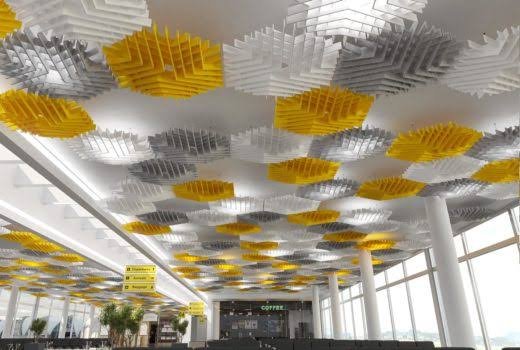
Furthermore, proper acoustics can enhance the aesthetic appeal of a space. Acoustic solutions are available in a variety of designs, colors, and materials, allowing them to seamlessly integrate into the overall scheme of the interior design. Whether it’s a stylish acoustic wall panel or a decorative acoustic ceiling, these solutions not only improve the sound quality but also add elements of visual appeal of the space.
Finally, investing in proper acoustics can have a positive impact on the environment. By reducing noise pollution and minimizing the need for excessive sound amplification, energy consumption can be reduced. Additionally, acoustic materials are often made from sustainable and recyclable materials, contributing to a more eco-friendly building design.
In conclusion, proper acoustics in buildings offer a wide range of benefits. From improved speech intelligibility, increased privacy to enhanced comfort and aesthetic appeal, acoustic solutions play a crucial role in creating functional and enjoyable spaces. Moreover, investing in proper acoustics will have a positive impact on the environment, making it a sustainable choice in modern building designs.
Keeping these in mind, it is essential to consider acoustic design as an integral part of any building project, ensuring that the space is optimized for its intended use and the well-being of its occupants.
Noise Reduction and Peaceful Environment
One of the primary benefits of proper acoustic design is noise reduction. Excessive noise can be a major source of stress and discomfort, both at home and in the workplace. By implementing soundproofing techniques and materials, such as noise rated partitions, acoustic doors in choice of glass, metal or wooden doors and finally double-glazed windows, will ensure that the transfer of noise is significantly reduced. This creates a more peaceful environment, allowing individuals to focus, relax, and enjoy their surroundings without the constant disturbance of external noise.
Imagine living in a busy urban area, where the sound of traffic, construction, and other activities can be overwhelming. Again one man’s music could be another man’s noise coming from your neighbour’s music system.
With proper acoustic solutions, the ambient sound levels can be brought down to a more manageable level, creating a serene and tranquil living space.
Similarly, in commercial buildings, noise from HVAC systems, office equipment, and conversations can be controlled, providing employees with a quieter and more productive work environment.
Not only does noise reduction contribute to a more peaceful environment, it also has a positive impact on overall well-being. Studies have shown that exposure to excessive noise can lead to various health issues, including increased stress levels, sleep disturbances, and even cardiovascular problems. By implementing proper acoustic design, these risks can be mitigated, promoting a healthier and more comfortable living and work environment.
In addition to the physical benefits, a quieter environment also enhances cognitive function and productivity. When individuals are constantly bombarded with noise, their ability to concentrate and perform tasks efficiently is compromised. However, by reducing noise levels through effective acoustic design, individuals can experience improved focus, increased creativity, and enhanced productivity. This is particularly important in educational settings, where students’ learning outcomes can be significantly influenced by the acoustic environment.
Furthermore, a peaceful environment created by proper acoustic design can have psychological benefits as well. Noise pollution has been linked to increased levels of anxiety, irritability, and even depression. By minimizing external noise and creating a more serene atmosphere, individuals can experience a sense of calmness and tranquility, promoting mental well-being and overall happiness.
Overall, the implementation of proper acoustic design not only reduces noise levels but also contributes to a peaceful environment with numerous benefits. From improved physical health and cognitive function to enhanced well-being and productivity, the importance of acoustic design cannot be overstated. Whether it is in residential, commercial, or educational settings, investing in soundproofing techniques and materials can significantly improve the quality of life for individuals and create spaces that are conducive to relaxation, focus, and overall happiness.
Enhanced Speech Privacy and Clarity
Another crucial aspect of acoustic design is speech privacy and clarity. In certain settings, such as offices, conference rooms, healthcare facilities, or educational institutions, it’s essential to ensure that conversations remain private and intelligible. By using acoustic treatments, such as sound-absorbing materials and strategic placement of walls and partitions, speech privacy can be enhanced.
One effective way to improve speech privacy is by incorporating sound masking systems into the acoustic design. These systems emit a low-level, unobtrusive background noise that helps to mask and drown out speech, making it more difficult for conversations to be overheard. This is especially important in open-plan offices or shared workspaces, where privacy can be a concern.
In addition to sound masking, the use of sound-absorbing materials can significantly reduce the transmission of sound between spaces. These materials, such as acoustic ceiling tiles, wall panels, or fabric-wrapped panels, absorb sound waves, preventing them from bouncing off hard surfaces and causing unwanted echoes or reverberation. By reducing the amount of sound that escapes from a room, speech privacy can be greatly improved.F
Furthermore, strategic placement of walls and partitions can also contribute to enhanced speech privacy. By carefully positioning barriers between different areas, the transmission of sound can be minimized. For example, in a healthcare facility, it is crucial to ensure that patient rooms are adequately separated from each other to maintain patient confidentiality.
Additionally, proper acoustic design can improve speech clarity, making it easier for individuals to communicate and understand each other. This is particularly important in spaces like lecture halls, auditoriums, or performance venues, where clear and intelligible communication is essential for effective teaching, presentations, or performances.
One way to enhance speech clarity is by optimizing the acoustics of a space through the use of sound reflection and diffusion. By strategically placing reflective surfaces, such as angled walls or diffusers, sound waves can be directed towards the audience, improving the overall clarity and projection of speech or music.
Furthermore, the use of sound reinforcement systems, such as microphones and speakers, can also greatly enhance speech clarity in large or reverberant spaces. These systems amplify and distribute sound evenly throughout the room, ensuring that everyone can hear and understand the speaker or performer.
In conclusion, acoustic design plays a crucial role in enhancing speech privacy and clarity in various settings. By incorporating sound-absorbing materials, strategic placement of walls and partitions, sound masking systems, and optimizing the acoustics of a space, conversations can remain private and intelligible, while clear and understandable communication can be achieved in lecture halls, auditoriums, or performance venues.
Improved Sound Management and Ease of Communication
Proper acoustic design not only reduces unwanted noise but also allows for better sound management within a space. By strategically placing acoustic panels, diffusers, and absorbers, the sound can be controlled and optimized for specific purposes. For example, in a music studio, the acoustics can be fine-tuned to create the ideal environment for recording and mixing music.
In addition, good acoustic design can enhance the ease of communication. In spaces like open-plan offices or restaurants, where multiple conversations are happening simultaneously, excessive reverberation and background noise can make it difficult to hear and understand others. By implementing acoustic solutions, such as sound-absorbing ceiling tiles or wall panels, the clarity of communication can be improved, creating a more pleasant and efficient space for interaction.
Furthermore, the use of advanced sound management techniques can also address specific challenges in different environments. For instance, in educational settings, classrooms can be equipped with sound reinforcement systems to ensure that students can clearly hear the teacher’s voice, regardless of their seating position. This not only improves comprehension but also reduces the strain on both teachers and students, as they no longer need to strain their voices or constantly repeat themselves.
Similarly, in healthcare facilities, such as hospitals or clinics, proper sound management is crucial for patient well-being and privacy. By incorporating soundproofing materials and technologies, the intrusive noise from medical equipment, footsteps, or conversations can be minimized, creating a more peaceful and healing environment for patients. This not only improves their overall experience but also aids in their recovery process.
Moreover, in corporate settings, conference rooms and boardrooms can benefit greatly from effective sound management. These spaces often host important meetings, presentations, and discussions, where clear and uninterrupted communication is essential. By implementing acoustic treatments, such as soundproof partitions or sound masking systems, distractions from neighboring rooms or outside noise can be minimized, allowing participants to focus and engage more effectively.
Overall, the importance of sound management and ease of communication cannot be overstated in various environments. Whether it is to create an optimal recording studio, improve communication in open-plan offices, enhance learning environments, provide a healing atmosphere in healthcare facilities, or facilitate productive meetings in corporate settings, investing in proper acoustic design can significantly enhance the functionality and comfort of a space.
Creating a quiet environment to enjoy music requires careful consideration of various factors. One important aspect is the control of external noise. Unwanted sounds from the surrounding environment can be distracting and disrupt the listening experience. To minimize this, it is important to choose a location for the music space that is away from busy streets, construction sites, or other sources of noise pollution.
Once the location is selected, the next step is to address the internal acoustics of the space. Sound reflection is an important consideration in creating a pleasant listening environment. Excessive reflection can result in echoes and reverberations, which can muddy the sound and make it difficult to discern individual instruments or voices. On the other hand, too little reflection can make the sound dull and lifeless. Achieving the right balance requires the use of materials that absorb or diffuse sound waves.
Acoustic panels and diffusers are commonly used to control sound reflection. These panels are made from materials that absorb sound energy, reducing reflections and preventing the buildup of echoes. Diffusers, on the other hand, scatter sound waves in various directions, creating a more even distribution of sound throughout the space. By strategically placing these panels and diffusers, the acoustics of the room can be optimized for a more immersive and enjoyable listening experience.
Another important consideration is the control of low-frequency sounds. Bass frequencies can be particularly challenging to manage, as they tend to travel through walls and floors, causing vibrations and resonances. To address this, bass traps can be installed in the corners of the room to absorb low-frequency energy and prevent it from building up. Additionally, isolating the room from the rest of the building structure can help minimize the transmission of low-frequency vibrations.
Furthermore, proper speaker placement is crucial in creating a quiet environment for music enjoyment. The position of the speakers can greatly affect the sound quality and imaging. Placing the speakers at ear level and ensuring they are properly spaced and angled can help create a well-defined soundstage and improve the overall listening experience.
In conclusion, creating a quiet environment to enjoy music involves careful consideration of various factors such as external noise control, sound reflection, absorption, diffusion, and speaker placement. By addressing these aspects, the acoustics of the space can be optimized to enhance the richness and clarity of the sound, allowing music lovers to fully immerse themselves in the music and enjoy a truly captivating experience.
You may also like When Do You Need An Acoustic Consultant ? Benefits!
by Navin B
How To Improve Office Acoustics And Enhance Productivity
February 22, 2024 in Acoustic Design, Interior Design, Workplace
In today’s modern workplaces, office acoustics play a crucial role in creating a productive and comfortable work environment. The design and layout of an office space can greatly impact the noise levels, which in turn can affect employee concentration, communication, and overall well-being. In this article, we will explore the importance of office acoustics and provide some practical tips for improving them.
The Impact of Office Acoustics on Productivity
Excessive noise in the office can be a major distraction and hinder productivity. Studies have shown that prolonged exposure to high noise levels can lead to stress, fatigue, and decreased job satisfaction. Poor acoustics can also make it difficult for employees to concentrate, communicate effectively, and remain focused on work.
On the other hand, a well-designed acoustic environment can have numerous benefits. It can enhance speech intelligibility, reduce distractions, and create a more comfortable atmosphere. Good office acoustics can improve employee well-being, job satisfaction, and overall performance.
Identifying Acoustic Issues
The first step in improving office acoustics is to identify any existing issues. Common acoustic problems in offices include excessive reverberation, background noise, and lack of speech privacy.
Reverberation occurs when sound waves bounce off hard surfaces, such as walls, floors, and ceilings, causing a prolonged sound decay which in layman’s terms is called are known as echoes or reverberations. This can create a noisy and distracting environment. Background noise, such as HVAC systems, office equipment, and conversations from neighboring workstations, can also contribute to poor acoustics. Additionally, the lack of speech privacy can be a concern in open-plan offices, where conversations can easily be overheard.
How can you improve office acoustics?
Here are some practical tips to help improve office acoustics:
1. Acoustic Panels and Absorbing Materials
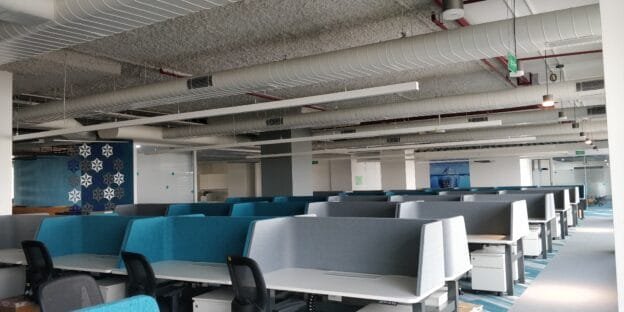
Installing acoustic panels or using absorbing materials can help reduce reverberation and control noise levels. These panels can be strategically placed on walls, ceilings, or even as freestanding partitions to absorb sound and improve speech intelligibility.
2. Sound Masking Systems
Sound masking systems use a gentle background noise to mask or reduce the impact of other noises in the office. These systems can be particularly useful in open-plan offices where privacy is a concern.
3. Furniture and Layout Considerations
Choosing furniture and layout options that absorb or block sound can also help improve office acoustics. For example, using carpet or rugs instead of hard flooring can reduce noise levels. Arranging workstations strategically and providing sufficient space between employees can also help minimize distractions and improve speech privacy.
4. Enclosed Meeting Spaces
Designating enclosed meeting spaces or conference rooms with proper soundproofing can provide employees with a quiet and private area for discussions or phone calls.
5. Personal Sound Management
Encouraging employees to use personal sound management techniques, such as wearing noise-canceling headphones or utilizing white noise apps, can help them create a more focused and distraction-free work environment.
The Importance of Ongoing Evaluation
Improving office acoustics is not a one-time fix. It is important to regularly evaluate the acoustic environment and make necessary adjustments. This can involve conducting employee surveys, monitoring noise levels, and seeking professional advice if needed.
By prioritizing office acoustics and implementing appropriate measures, employers can create a more productive and comfortable work environment for their employees. Investing in good office acoustics not only benefits the employees but also contributes to the overall success of the organization.
In conclusion, office acoustics have a significant impact on employee well-being and productivity. By addressing common acoustic issues and implementing practical solutions, employers can create a more conducive work environment. Prioritizing office acoustics demonstrates a commitment to employee satisfaction and can lead to improved performance and job satisfaction.